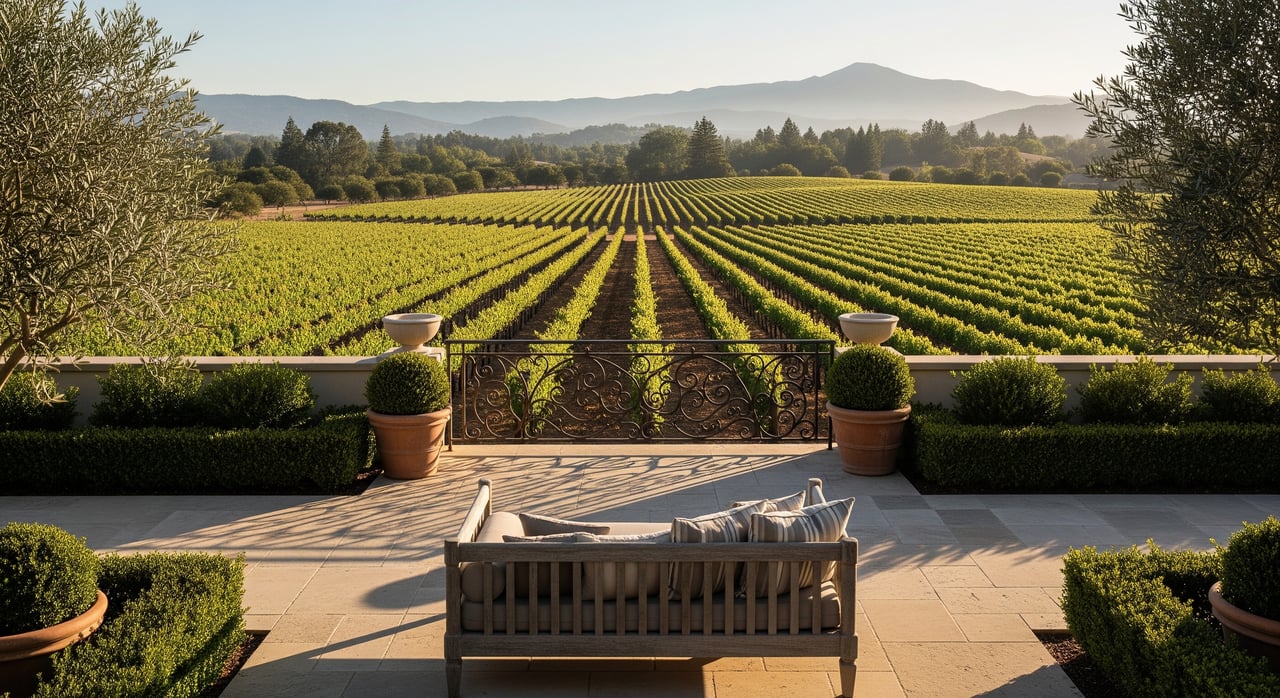
Early morning in Yountville starts quietly. You might stroll along Washington Street with coffee in hand, pass a bakery warming up its ovens, and watch tasting room doors open to the day. If you love a walkable routine, thoughtful public spaces, and world-class dining in a small-town setting, this village in the heart of Napa Valley can feel like it was designed for you. In this guide, you’ll get a clear picture of daily life, housing options, tradeoffs, and who tends to thrive here. Let’s dive in.
Yountville at a glance
Yountville sits in central Napa Valley with a polished, village-like look and a calm residential rhythm. The town blends a close-knit community of year-round residents with steady tourism centered on dining, tasting rooms, and spa resorts. You get a compact, pedestrian-friendly main street, public art, and well-tended landscaping that sets a refined tone. The hospitality presence is visible most days, yet just a block or two off the commercial core, streets feel quiet and residential.
Daily life and local rhythm
Eating and shopping
You have an unusually rich dining scene for a town this size, including high-end restaurants, relaxed cafés, and casual bakeries. It is normal to plan weeknights around dinner reservations or to pop into a favorite café on foot. Boutique shops, galleries, and local services line Washington Street, so simple errands are easy in town. For big-box or specialty retail, most residents drive to nearby Napa or larger Bay Area centers.
Wine and tasting culture
If wine is part of your lifestyle, you will appreciate how accessible it is here. Tasting rooms are embedded in town, and nearby vineyards make weekend visits part of the routine. Food-and-wine events fill the calendar, which brings energy and variety to your social life. You are never far from a new release, a seasonal menu, or a curated pairing.
Parks, paths, and the outdoors
Central Yountville is very walkable, and bikes are common for short trips. Local parks and greenbelts give you pocket-sized escapes, while regional trails link you to longer rides up and down the valley. Scenic routes like Highway 29 and Silverado Trail are close, and you can reach nearby preserves and state parks for hiking or longer rides without much planning. For many residents, being able to step outside and be active without a long drive is a core reason to live here.
Getting around and access
Day to day, you will likely walk or bike within town and drive for regional errands. The Vine transit system offers regional bus connections, though most commuters rely on cars for flexibility. Downtown Napa is a short drive, and you can reach the northern Bay Area in about an hour in normal traffic, longer during peak periods. If you often commute to major metros, plan for drive time and occasional congestion.
Housing and neighborhoods
Common home types
You will find a mix of single-family homes, smaller cottages and bungalows near the center, and some townhomes or condos. A few larger estates and vineyard-adjacent parcels exist at the edges. Architectural character is cohesive and well cared for, with landscaping and design guidelines that reinforce the town’s tidy, village feel. If you prefer low-maintenance living, compact lots and attached options offer appealing lock-and-leave convenience.
Market dynamics and availability
Yountville tends to command a premium compared with many nearby communities because of its location, walkability, and amenities. Inventory is limited due to the town’s small size and careful planning, so desirable listings often draw strong interest. Resale and historic properties can be especially sought after, especially near the core. If you are shopping here, be ready to act decisively when the right home appears.
Renting and second homes
Rental options are limited, and some renters look to neighboring towns for more choice. Yountville also attracts part-time residents and second-home buyers, which can add some seasonality to availability and pricing. If you are planning a weekend base or pied-à-terre, the mix of dining, walkability, and easy upkeep can be a perfect match. If you need a long-term lease, start early and consider a wider search radius.
Who thrives in Yountville
The food-and-wine enthusiast
You value exceptional restaurants, tasting rooms, and seasonal events within walking distance. Your ideal weekend is a late morning trail ride, a tasting flight, then dinner at a new spot you have been watching. The everyday convenience of culinary options is the key driver.
Empty-nesters and retirees
You want a smaller, easy-to-maintain home and a walkable routine that keeps you connected without the hassle of long drives. Access to parks, cafés, and community events makes it simple to stay active and social. A polished streetscape and a calm residential pace add to the appeal.
Professionals and hospitality operators
You may commute within the valley or run a hospitality or wine-related business. Living in town simplifies client entertaining and business hosting. If you travel often, the central location makes regional trips straightforward, even if most are by car.
Second-home owners
You want a high-amenity base with minimal upkeep that you can enjoy across seasons. A village core with strong dining and a compact footprint makes spontaneous visits low effort. You can arrive, park the car, and enjoy most of what you need on foot.
Practical tradeoffs to weigh
Tourism presence
Tourism sustains the dining and cultural scene, yet it can bring crowding and parking pressure, especially during busy seasons and major events. Expect restaurant waitlists and more foot traffic on peak weekends. Many residents see this as a fair trade for the quality and variety of amenities available year-round.
Cost and affordability
Homes typically reflect a premium market, and rentals can be scarce. If budget is your lead factor, you may compare options across nearby towns for more inventory. For buyers prioritizing walkability and dining access, the value proposition is tied to lifestyle rather than square footage.
Retail and services
For everyday basics, town options are convenient and close. For larger medical services, specialized care, or broad retail selection, you will head to Napa or other regional hubs. Planning ahead for bigger errands helps keep your local routine smooth.
Environment and hazards
Like much of Napa County, Yountville experiences a Mediterranean climate with warm, dry summers and cool, wet winters. Seasonal wildfire smoke, heatwaves, and standard California seismic risks are part of regional life. It is smart to stay current on county emergency guidance and consider home features like air filtration and defensible landscaping.
Commuting reality
If you work in the Bay Area or Sacramento, plan for substantial drive times and variability during peak hours. Regional transit options exist but are less frequent than larger metros. For many residents, local walkability offsets the longer drives required for regional commitments.
Schools and community services
Yountville offers a small-town school setting for early grades, with secondary options provided through regional districts. Families seeking a wide range of programs or specialized offerings often explore nearby areas as part of their planning. Health care, including major hospitals and specialist services, is readily accessible in nearby Napa. Municipal services are provided locally, with county agencies supporting broader needs such as public safety and public health.
Is Yountville a fit for you
If you want a polished village setting where you can walk to dinner, enjoy tasting rooms, and keep your car parked most evenings, Yountville will feel natural. If you need broad retail, frequent transit, or entry-level pricing, you will likely lean toward neighboring communities. The right match comes down to what you prioritize most in daily life.
Consider this quick checklist:
- You prefer walkable dining, tasting rooms, and parks.
- You value a tidy streetscape and public art in a compact town.
- You are comfortable driving to Napa for bigger errands and services.
- You can plan around seasonal tourism and event calendars.
- You want low-maintenance housing with strong lifestyle access.
Next steps
If Yountville sounds like your kind of everyday life, it helps to see how specific streets, micro-locations, and property types line up with your goals. Our team specializes in Napa Valley and understands how village character, zoning, and inventory patterns affect real choices on the ground. As a boutique, partner-led advisory under the Vintage Sotheby’s International Realty umbrella, we combine luxury residential insight with commercial and hospitality expertise when your needs span both.
Whether you are exploring a lock-and-leave home, a vineyard-adjacent property, or a residence that pairs with a hospitality investment, you can expect senior-led, concierge guidance from first conversation to closing. Request a confidential, no-pressure consult with The Elite Club to map the best options for your timeline and budget.
FAQs
How walkable is Yountville’s town center for daily errands
- The downtown core is highly walkable, so you can reach restaurants, tasting rooms, parks, and basic services on foot, while outlying areas may require short drives.
How does tourism affect daily life for residents
- Tourism supports exceptional dining and events but can bring crowding, waitlists, and parking demand during peak seasons and major festivals.
What housing types are most common in Yountville
- You will find single-family homes, cottages and bungalows near the core, some townhomes or condos, and a handful of larger estates or vineyard-adjacent parcels.
Why are home prices higher in Yountville compared to nearby areas
- Pricing reflects premium walkability, dining and wine access, limited inventory, and a small-town footprint that constrains large-scale new development.
What should commuters to Napa or the Bay Area expect
- Most residents drive for regional trips, with Napa close by and the Bay Area roughly an hour in light traffic, though peak periods can extend drive times.
How available are rentals in Yountville for long-term stays
- Long-term rentals are limited, and many renters consider neighboring towns for more choice and potential affordability.
What is the local climate and are there environmental risks
- The area has warm, dry summers and cool, wet winters, with regional considerations that include wildfire smoke, heatwaves, and standard California seismic risks.
Where do residents go for larger shopping and medical services
- For broad retail, specialty shops, and major hospitals or specialists, residents typically drive to nearby Napa or other regional hubs.