If you have ever read a wine label and wondered what “St. Helena” really means, you are not alone. You want clarity on how appellations work, why they matter in Napa Valley, and what they mean for a home or vineyard-adjacent estate. In this guide, you will learn what an AVA is, how St. Helena fits into Napa Valley, and the due diligence that protects your investment. Let’s dive in.
AVA basics you can use
An American Viticultural Area is a legally defined grape-growing region created by the federal Alcohol and Tobacco Tax and Trade Bureau. Its role is to let producers and consumers identify a wine’s origin with confidence, not to rate quality. You can read the official definition on the TTB’s page on the American Viticultural Area program.
On wine labels, the AVA rule is simple. If a label names an AVA, at least 85 percent of the grapes must be grown within that AVA. You can find that standard in the TTB’s guidance on appellations of origin. AVA boundaries may overlap and are drawn around distinguishable geographic features like climate, soils, and elevation. Being inside an AVA is a geographic fact that supports branding, not a guarantee of quality.
Why AVAs matter in Napa Valley
Napa Valley is one of the most recognized AVAs in the United States, and it contains smaller sub-AVAs that highlight more specific places. These sub-AVAs, including St. Helena, reflect distinct climate and site patterns that many producers showcase in their wines. For a clear overview, explore Napa Valley AVA and its sub-AVAs.
For you as a buyer, an AVA name can influence grape pricing, winery partnerships, and long-term marketing options. Properties inside a well-known AVA often attract wider buyer interest, which can support appraisal comparables and resale strategy.
Inside the St. Helena AVA
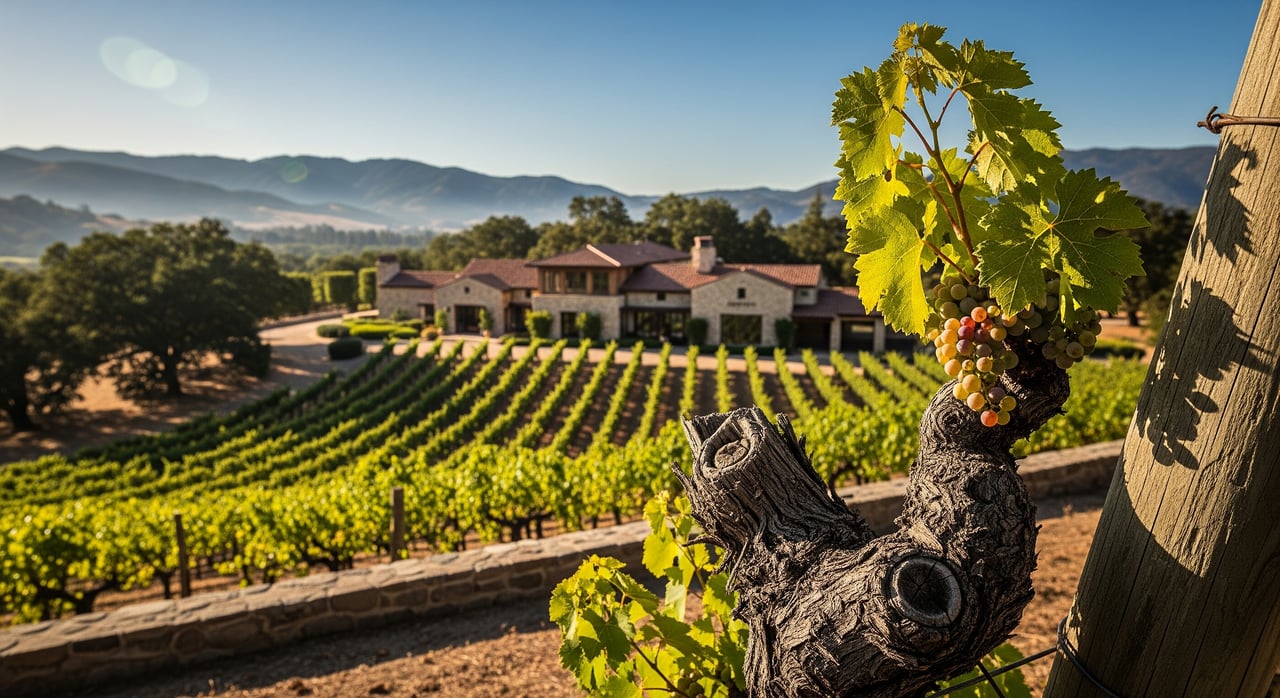
St. Helena sits in the central-northern stretch of Napa Valley, with vineyards across the valley floor, alluvial benches, and nearby hills. Producers here are known for Bordeaux-style reds like Cabernet Sauvignon and Merlot, with other varieties planted where site makes sense. Local performance is shaped by valley orientation, diurnal temperature swings, elevation, and soils.
UC Davis extension resources emphasize that site features such as soils, slope, and irrigation access are critical to plant health and wine style. If you are planning a vineyard or evaluating an existing one, the UC Davis Viticulture & Enology extension is a helpful starting point for understanding the site factors that matter.
How AVA status can add value
AVA identity supports value in several practical ways:
- Branding and marketing premium. Desirable AVA names help wines command attention. If you choose to produce or partner on a label, the AVA can support pricing and positioning.
- Grape contract potential. Wineries often seek grapes by AVA. Fruit from a named appellation can achieve better contract terms because it allows AVA labeling under TTB rules.
- Scarcity and comps. Vineyard land in sought-after AVAs is limited. Appraisers look for comparable sales inside the same AVA, which can support higher valuations.
- Financing and risk perception. Lenders may give more weight to proven production history and documented grape pricing in recognized AVAs.
- Estate-bottled potential. Owning a contiguous, well-sited vineyard inside an AVA gives you the option to pursue estate-bottled wines, if operationally and legally feasible.
What an AVA does not guarantee
An AVA is not a quality rating. Vineyard performance depends on many variables, including soil, slope, exposure, vine age, water access, management, and winemaking. Not every site inside a prestige AVA is equal, and wider market forces can move values in the short term. Wildfire exposure, insurance availability, water constraints, and regulatory limits can influence both operating costs and property value.
Due diligence for St. Helena buyers
Use this checklist to confirm the details that matter most:
- Confirm the AVA boundary. Verify whether the parcel lies inside the St. Helena AVA using the TTB AVA Map Explorer. If another sub-AVA applies, note how that affects your plans.
- Review production history. Request yield records, varietal maps, vine age, trellising, and farming practices. This helps project grape revenue and quality potential.
- Check grape contracts and leases. Identify buyers of fruit, prices, term lengths, and whether contracts can be assigned at closing.
- Evaluate water supply. Document wells, permits, storage capacity, and irrigation systems. For local context, review Napa’s Groundwater Sustainability resources.
- Assess wildfire exposure and insurance. Review historic fire impacts, defensible space, building materials, and current insurance quotes. Cal Fire’s Fire Hazard Severity Zones are a helpful reference.
- Analyze soils, slope, and microclimate. Consider an independent viticultural or soil consultant if value is high. Site suitability affects both yield and wine style.
- Verify zoning, easements, and development rights. Confirm agricultural zoning, conservation easements, Williamson Act status if applicable, and any deed restrictions. The county’s Planning, Building and Environmental Services page provides guidance on local rules.
- Confirm winery or hospitality plans. If you envision production, tastings, or events, confirm what the county permits for the parcel.
- Prepare valuation with local comps. Work with appraisers who specialize in Napa Valley vineyards, and prioritize comps within the same AVA.
Lifestyle and access in St. Helena
St. Helena offers a blend of vineyard scenery and in-town convenience. Restaurants, tasting rooms, and services sit minutes from many properties, which adds day-to-day value beyond the vineyard itself. Buyers often seek a combined lifestyle and investment story, and St. Helena delivers both when site fundamentals are strong.
Put the AVA to work in your plan
Once you confirm the AVA and site strengths, plan your path:
- If you are a lifestyle buyer, use the AVA to frame long-term enjoyment and resale strategy.
- If you are a producer, align vineyard plantings and grape contracts with your label goals and the 85 percent rule.
- If you are an investor, weigh AVA-driven demand against risk items like water and insurance to model returns.
A clear due diligence process helps you capture the benefits of an AVA while managing the realities of owning in Napa Valley.
A senior-led partner in Napa Valley
Buying or selling in and around the St. Helena AVA involves both lifestyle and commercial decisions. You deserve a team that understands vineyard operations, county rules, and luxury marketing. For confidential, senior-level guidance on vineyard estates, hospitality assets, and portfolio strategy, connect with The Elite Club. Request a private consultation and put a Napa-experienced, boutique advisory to work for you.
FAQs
What is an AVA and how does it affect labels?
- An AVA is a federally defined grape-growing area; to use an AVA name on a label, at least 85 percent of the grapes must come from that AVA per TTB rules.
Is St. Helena a separate AVA within Napa Valley?
- Yes, St. Helena is a recognized sub-AVA inside the larger Napa Valley AVA, described by Napa Valley Vintners as one of several distinct appellations in the region.
How can I verify a property is inside the St. Helena AVA?
- Use the TTB AVA Map Explorer to check official boundaries and confirm the parcel’s location before you rely on AVA branding.
Does an AVA guarantee higher property value or wine quality?
- No; AVA status supports marketing and comparables, but value and quality also depend on soils, slope, water, management, and market conditions.
What due diligence should I do near St. Helena?
- Confirm AVA boundaries, production history, grape contracts, water supply, wildfire exposure, soils and slope, zoning and easements, and permit options with Napa County PBES.
Where can I learn more about site factors for vineyards?
- UC Davis provides research-based guidance on soils, climate, irrigation, and variety choices through its Viticulture & Enology extension.